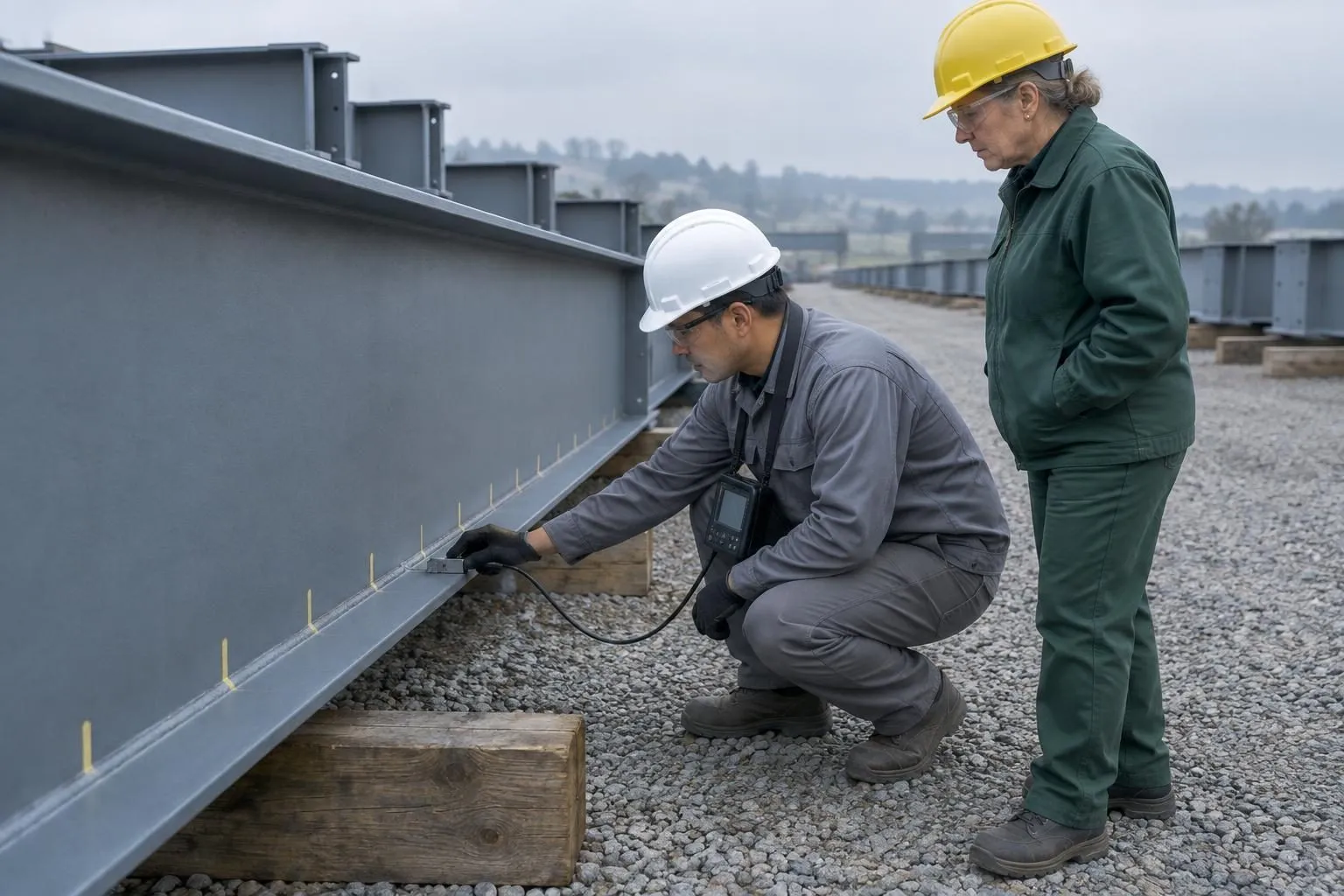


Get free quotes from non-destructive testing services near you
Takes about a minute. Free, no obligation; providers reply to you directly.
It’s the first week of October. Your unit comes down in five weeks, the scope is signed off, and nobody has sent the non-destructive testing RFQ. You start calling firms and hear the same thing: crews are committed. That is the failure this article is about.
The Short Version: Spring (March–May) and fall (September–November) turnarounds fill NDT crew calendars. One planning guide says Gulf Coast firms book out 2–3 months ahead in those windows and recommends the RFQ go out 12 weeks before the window opens. Large programs start planning 12–18 months out. No public rate card exists, so expect quote-based pricing that moves with schedule pressure.
Key Takeaways
- Operators schedule shutdowns around peak production months, so demand piles into the same weeks for everyone.
- Send the RFQ about 12 weeks before the window. For a March start, that means early December.
- A mid-size refinery turnaround can mean 300–800 components in a 3–5 week window. That is a crew-and-equipment problem, not a single-tech job.
- If you’re already inside the booking window, lock down method, certification level and mobilization first. Price comes second.
Why Demand Bunches Up
Here’s what most people miss: crews aren’t scarce year-round. They’re scarce in the same six weeks everyone else wants them.
NDTInspect explains that plants avoid downtime during peak seasonal demand, which pushes shutdowns into the spring and autumn shoulder periods. Planned turnarounds commonly come around every 3–5 years in oil and gas assets, with scope set by degradation mechanisms, risk-based inspection (RBI) and regulatory requirements.
Every plant on that cycle wants a similar slot, so scarce crews, certifications and specialized equipment get reserved early. That is what MISTRAS Group’s turnaround page and IRISNDT’s project-management page both imply when they stress advance planning.
Region by Region: What We Can and Can’t Say
I’ll be honest about the limits. The research gave one hard booking window, for the Gulf Coast. For other regions it gave the shoulder-season logic and nothing more specific.
| Region | Season | Booking lead time | Source strength |
|---|---|---|---|
| Gulf Coast | March–May, September–November | 2–3 months; RFQ at 12 weeks | One industry planning guide |
| Other temperate regions | Spring and fall shoulder periods | No sourced window | General seasonal logic |
| Large operators anywhere | Program-specific | Planning up to a year ahead; 12–18 months for major programs | MISTRAS Group, planning guide |
Reality Check: We found no official awareness month, regulatory deadline or published market rate tied to turnaround season. Treat the 12-week RFQ rule as a working guideline from one source, not a standard. If your plant is outside the Gulf Coast, ask your integrity team how far ahead your own crews book.
What a Turnaround Asks of a Crew
Scope drives crew size, and the sources put some numbers on it.
- NDT activity: an industry site describes a mid-size refinery turnaround as 300–800 individual components in a 3–5 week window.
- Typical workload: NDT Connect lists 2,500–5,000 condition monitoring locations (CMLs), 80–200 UT surveys, 100–400 radiographic exposures, and internal visual inspection on 8–15 pressure vessels.
Those two figures come from different resources and measure different things, so don’t merge them. Both show why a firm can’t improvise this scale of work two weeks out.
Line This Up Before the Outage
Pre-turnaround work should include reviewing prior inspection histories to spot recurring problem areas, per MISTRAS Group. Build the RFQ from that review.
- Define the method mix. UT, RT, MT, PT, VT or eddy current each need different people and equipment.
- Name the certification level. Say whether you need ASNT Level III certification on the job or Level II technicians working to a written practice. Our ASNT Level III guide explains when it matters.
- State shift pattern and access needs. Crew size and scaffolding assumptions change the quote.
- Ask about mobilization and travel. These are pricing drivers in the sources.
- Plan for discovery work. MISTRAS Group stresses defining major discovery work and anticipating the mechanical repairs it triggers.
Pro Tip: Send the same scope package to three or more firms. The questions in 15 Questions to Ask Before Hiring an NDT Inspection Firm work as a bid-comparison sheet, and the red flags list tells you which answers to discount.
What It Costs
Nobody publishes a turnaround rate card. What the sources support is that pricing is quote-based and schedule-sensitive. It moves with crew size, method mix, mobilization, shift pattern, travel and certification level.
For a baseline, individual technician rates run roughly $150–$500 per hour, and project totals run from $5,000 to $50,000+ depending on scope and access. Our NDT price list breaks that down by method. Don’t read those figures as turnaround quotes. They are ordinary-project context. Cheap bids that skip mobilization or certification detail are the ones to question. See Are Cheap NDT Inspection Firms Worth It?.
Where to Start Looking
On the Gulf Coast, start with NDT inspection firms in Houston and firms in Dallas. Inland, browse Akron and Kansas City. We have no turnaround-specific data on those cities. They’re simply places to see who is listed before you need them in a hurry.
By the Numbers
From NDTIntel directory data (full tables on industry statistics):
- Verified providers listed: 265
- States covered: 42
- Most providers: CA (26), TX (20), PA (16)
- ISO 9001:2015: 14 (5%)
- ASNT Level III: 12 (5%)
- SNT-TC-1A: 9 (3%)
- Average years in business, where published: 37.3
Practical Bottom Line
- Now (fall window open): call firms today. Ask whether crews are committed and what the earliest mobilization date is.
- For spring (March–May): put the RFQ on your calendar for early December.
- For programs a year or more out: start inspection-history review up to a year out.
- Always: put method mix, certification level, shift pattern and mobilization in writing.
Need the fundamentals first? Start with The Complete Guide to NDT Inspection Firms, then use How to Prepare for an NDT Inspection Firm Session as your pre-outage checklist.
Done reading? Get quotes from NDT inspection firms near you.
Takes about a minute. Free, no obligation; providers reply to you directly.
Popular cities: